
Yazoo Waterfowl partners
Across America, the National Wildlife Refuge System—once the crown jewel of our nation’s conservation legacy—is facing an unprecedented crisis. Chronic underfunding and understaffing have left many refuges struggling to perform even basic habitat management. Despite overseeing more than 850 million acres of public lands and waters vital to migratory birds, fish, and wildlife, the U.S. Fish and Wildlife Service now operates with fewer people and fewer resources than at any point since the 1970s.
Here in the Mississippi Delta, that reality hits home at the Yazoo National Wildlife Refuge, one of the most historic and ecologically important refuges in the country.
HISTORY
OF THE
Yazoo
Refuge
Established in 1936, Yazoo National Wildlife Refuge was the first national wildlife refuge created in Mississippi and remains one of the most biologically rich wetland habitats in the Lower Mississippi Valley. The refuge was founded when the federal government purchased 2,166 acres from local landowners to restore wetlands that had been drained and farmed. Over the decades, additional land acquisitions have expanded the refuge to 12,941 acres.
Yazoo Refuge sits within the historic floodplain of the Mississippi River, where fertile soils and seasonal flooding created prime waterfowl habitat. It was established primarily to provide wintering grounds for migratory birds along the Mississippi Flyway, one of North America’s most important migration corridors.
The refuge now serves as the cornerstone of the Theodore Roosevelt National Wildlife Refuge Complex, which includes nine refuges spanning roughly 100,000 acres across the Mississippi Delta.
Historically, Yazoo’s wetlands, oxbow lakes, bottomland hardwood forests, and moist-soil units have supported tens of thousands of ducks and geese each winter, along with wading birds, raptors, deer, and other Delta wildlife. But decades of limited federal funding have taken a toll. Levees, pumps, and water control structures have deteriorated, and active management—once a hallmark of the refuge—has slowed dramatically.
A REFUGE
in Need
The refuge system’s budget has remained largely flat since the early 2010s, while inflation and operational costs continue to rise. Adjusted for inflation, core funding has dropped by more than 20% over the past decade. Staffing has also been slashed—many refuges no longer have full-time biologists or maintenance crews.
In the Theodore Roosevelt Complex, which includes Yazoo, staffing has fallen from 32 employees managing seven refuges to just seven employees managing nine refuges and 100,000 acres. The Yazoo Refuge itself has only two employees responsible for over 32,000 acres across three refuges.
That means essential tasks like levee repair, water control, planting, invasive species removal, and moist-soil management are often left undone. The result is a slow but devastating decline in habitat quality—and in the numbers of ducks, geese, and shorebirds that once filled these skies.
Our
Mission
In response, a group of local conservationists, hunters, and landowners formed Yazoo Waterfowl Partners, a nonprofit dedicated to supporting the Yazoo National Wildlife Refuge and other refuges within the Theodore Roosevelt Complex.
Our mission is simple:
To restore, maintain, and enhance waterfowl and wetland habitat on the Yazoo Refuge and beyond—working hand-in-hand with the U.S. Fish and Wildlife Service, the U.S. Army Corps of Engineers, and community volunteers.
Funds raised by Yazoo Waterfowl Partners go directly toward:
- Fuel for pumps and tractors
- Seed, tools, and equipment for habitat restoration
- Repairs to levees and water control structures
- Maintenance of moist-soil units and flooded timber
- Supplies for volunteer work and on-the-ground management
Every dollar stays local—benefiting waterfowl, wildlife, and people right here in Mississippi.
Why It
Matters
Without immediate action, we risk losing the rich mosaic of wetlands that once made the Yazoo Refuge a beacon for wintering ducks. The decline of managed moist-soil units and shallow wetlands has led to fewer birds, fewer hunting opportunities, and fewer visitors. But with community support, we can reverse that trend.
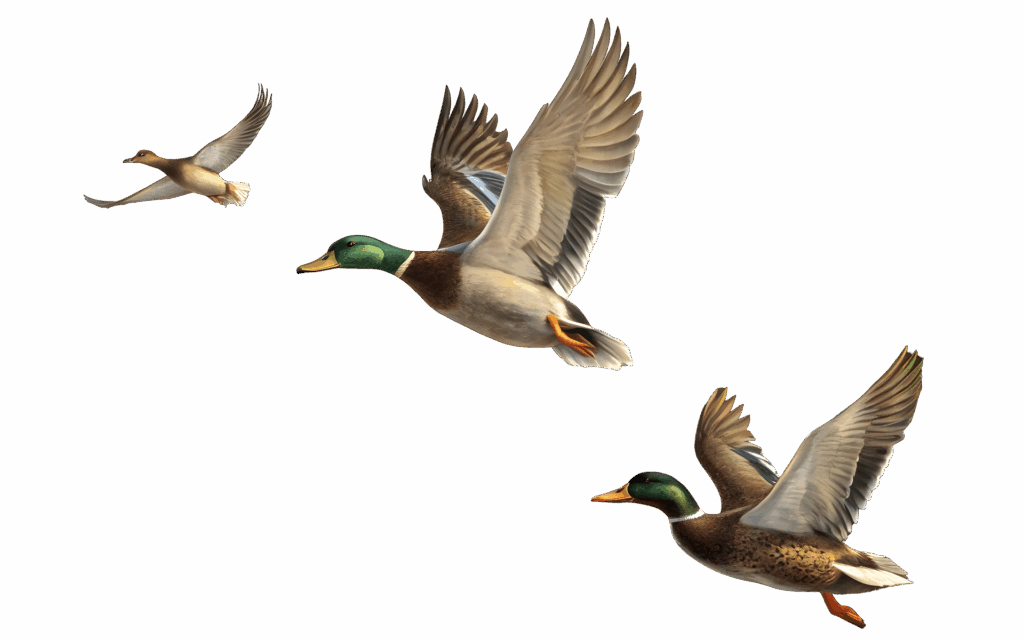
Your support helps ensure that mallards, pintails, teal, and countless other species continue to thrive in the Mississippi Delta—and that future generations can experience the wonder of a sunrise over flooded timber filled with ducks.
Join Us
Your donation to Yazoo Waterfowl Partners is more than a contribution—it’s an investment in the future of our Delta landscape.
Whether it’s $100, $1,000, or $10,000, every gift helps restore the lifeblood of the refuge and ensures that the Yazoo National Wildlife Refuge continues to be a living legacy of conservation.
Together, we can bring back the wetlands, the birds, and the wild beauty that define this place.